
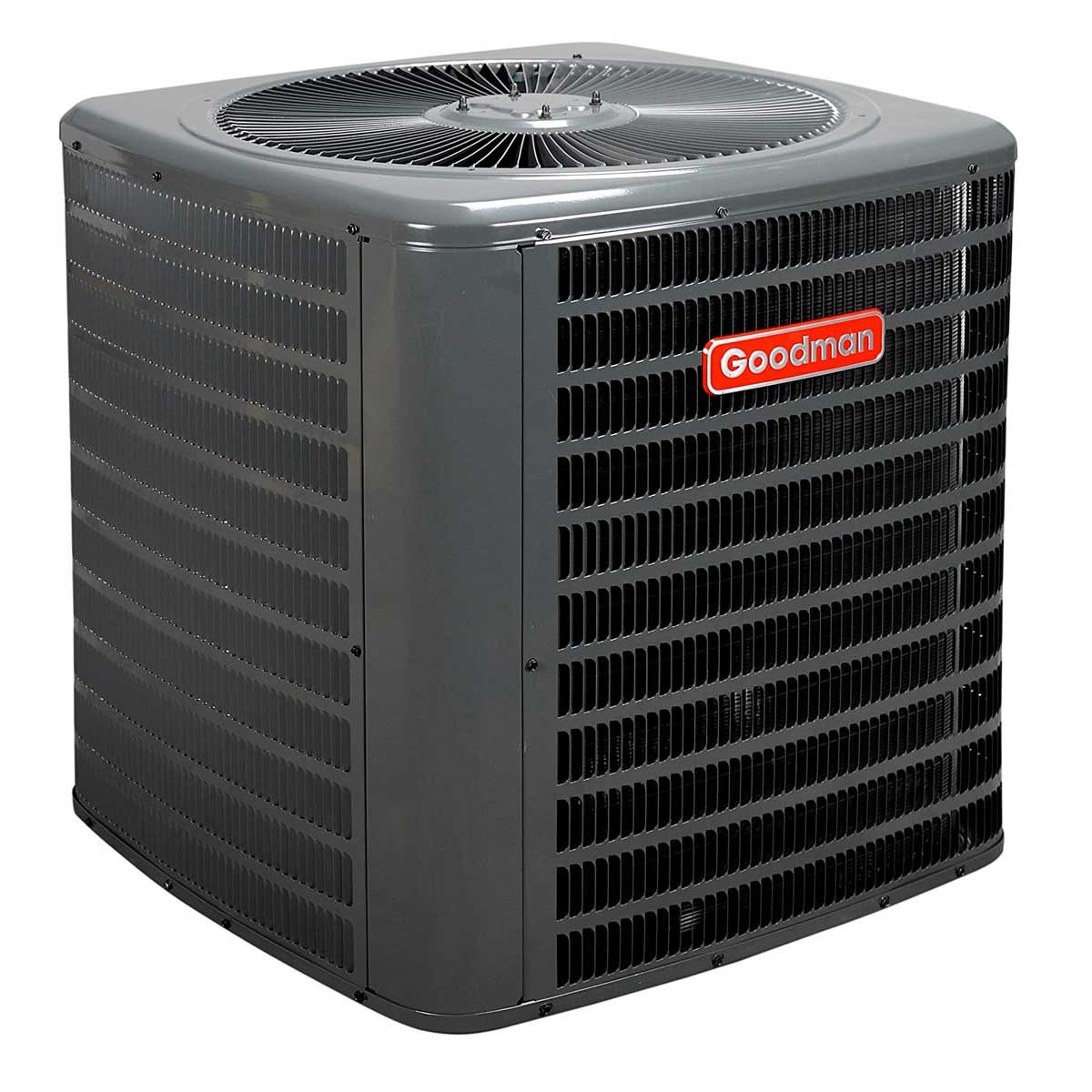
The summer heat can be brutal, and a functioning air conditioner is more than just a comfort; it's a necessity for health and safety. But what happens when your AC unit breaks down, and you can't afford to replace it? Or perhaps you simply can't afford to run it as much as you'd like? Thankfully, various AC unit free programs and assistance options are available to help ease the financial burden and keep you cool.
Understanding these programs is essential for maintaining a comfortable and safe home environment, especially for vulnerable individuals like seniors, families with young children, and those with medical conditions exacerbated by heat. Navigating the world of utility assistance and energy efficiency programs can be daunting, but it doesn't have to be. Knowing where to look and how to qualify can make all the difference in your household budget and well-being.
Start by checking your air filters. A dirty air filter can significantly reduce your AC unit's efficiency, making it work harder and consume more energy. Replacing a dirty filter is a quick, inexpensive task that can immediately improve your unit's performance and lower your energy bill.
AC Unit Free Programs: How to Qualify for Air Conditioner Assistance
Air conditioner assistance programs are designed to help low-income households, seniors, and individuals with disabilities obtain, repair, or replace their air conditioning units. These programs recognize that access to cooling is a critical health and safety issue, particularly in regions with extreme summer temperatures. The specific programs available, eligibility requirements, and the type of assistance provided can vary significantly depending on your location and circumstances. Understanding the options in your area is the first step toward securing the help you need.
Exploring LIHEAP Cooling Assistance
The Low Income Home Energy Assistance Program (LIHEAP) is a federally funded program administered by individual states. It provides assistance with home energy bills, and in many states, this includes help with cooling costs during the summer months. LIHEAP might offer direct financial assistance to help pay your electricity bill, or it might provide funds for the purchase and installation of a new, energy-efficient air conditioner. To qualify for LIHEAP cooling assistance, you'll typically need to meet certain income guidelines, which are based on your household size and income level. You'll also likely need to provide proof of residency and documentation of your income. Each state has its own application process, so it’s crucial to visit your state's LIHEAP website or contact your local LIHEAP office to learn more about the specific requirements and application procedures in your area. Don't delay; funding is often limited and distributed on a first-come, first-served basis.
State and Local Air Conditioner Programs
In addition to LIHEAP, many states and local governments offer their own air conditioner assistance programs. These programs may be specifically tailored to the needs of residents in their particular region, considering factors like climate, demographics, and available funding. These programs could provide direct financial assistance, vouchers for purchasing new AC units, or even free installation services. Some programs prioritize assistance for vulnerable populations, such as seniors, individuals with disabilities, and families with young children. To find out about state and local programs in your area, start by contacting your local utility company. They often have information about available assistance programs or can direct you to the appropriate resources. You can also check with your state's energy office or department of social services. Online searches using terms like "air conditioner assistance [your state]" or "cooling assistance programs [your county]" can also yield valuable information.
Utility Company Assistance Programs
Many utility companies offer their own assistance programs to help customers manage their energy bills and improve their home energy efficiency. These programs might include bill payment assistance, energy audits, rebates for energy-efficient appliances (including air conditioners), and even free or low-cost weatherization services. Some utility companies also partner with community organizations to provide air conditioner repair or replacement services for low-income households. Contact your utility company directly to inquire about the assistance programs they offer. Check their website, call their customer service line, or visit their local office. Be prepared to provide information about your income, household size, and energy usage. Don't hesitate to ask about any specific programs that might be available for air conditioner assistance.
Understanding Eligibility Requirements
Qualifying for AC unit free programs or other forms of air conditioner assistance generally involves meeting certain eligibility criteria. These criteria typically focus on income, household size, and residency. Some programs may also consider factors such as age, disability status, and medical conditions.
Income Guidelines: Most programs have income limits based on the federal poverty level or a percentage thereof. These limits vary depending on your location and the specific program. Household Size: The number of people living in your household is a key factor in determining eligibility. Larger households typically have higher income limits. Residency Requirements: You'll usually need to be a resident of the state or locality where the program is offered. Proof of residency, such as a utility bill or lease agreement, may be required. Other Factors: Some programs may prioritize assistance for specific populations, such as seniors, individuals with disabilities, or families with young children. You may need to provide documentation to verify your eligibility based on these factors.
Carefully review the eligibility requirements for each program you're interested in. Gather the necessary documentation, such as proof of income, residency, and household size, before you begin the application process.
Navigating the Application Process
Applying for air conditioner assistance programs can seem overwhelming, but breaking it down into manageable steps can make the process easier. Here’s a general outline of what to expect:
1.Research: Identify the programs available in your area and carefully review their eligibility requirements.
2.Gather Documentation: Collect all the necessary documents, such as proof of income, residency, household size, and any other required information.
3.Complete the Application: Fill out the application form accurately and completely. Be sure to answer all questions and provide all requested information.
4.Submit the Application: Submit the application according to the program's instructions. This may involve mailing it in, submitting it online, or bringing it to a local office.
5.Follow Up: After submitting your application, follow up with the program to check on its status. Be prepared to provide additional information or documentation if requested.
Be patient and persistent throughout the application process. It may take some time to receive a decision, but don't give up. If you're denied assistance, ask for an explanation and inquire about the appeals process.
Maximizing Energy Efficiency to Lower Cooling Costs
Even with assistance, lowering your overall energy consumption is crucial for managing cooling costs. Here are some practical tips: Use Fans: Fans circulate air and can make a room feel cooler, allowing you to raise your thermostat setting. Close Curtains and Blinds: During the hottest part of the day, close curtains and blinds to block out sunlight and prevent heat from entering your home. Seal Drafts: Seal any cracks or gaps around windows and doors to prevent cool air from escaping and warm air from entering. Run Appliances at Night: Avoid using heat-generating appliances like ovens and dryers during the hottest part of the day. Run them at night when it's cooler. Use a Programmable Thermostat: A programmable thermostat allows you to set different temperatures for different times of the day, saving energy when you're away or asleep. Consider a Smart Thermostat: Smart thermostats learn your habits and automatically adjust the temperature to optimize energy efficiency and comfort. Regular AC Maintenance:Schedule regular maintenance for your AC unit to ensure it's running efficiently. Clean or replace air filters regularly.
By implementing these energy-saving tips, you can reduce your reliance on air conditioning and lower your cooling costs.
Recognizing Signs You Need Help
It’s important to recognize when you need assistance with your air conditioning. Some key indicators include: Rising Energy Bills: A sudden or significant increase in your energy bill could indicate that your AC unit is not working efficiently. Uneven Cooling: If some rooms in your home are cooler than others, it could be a sign that your AC unit is not properly distributing cool air. Strange Noises or Odors: Unusual noises or odors coming from your AC unit could indicate a mechanical problem. Frequent Breakdowns: If your AC unit is constantly breaking down, it may be time to consider replacing it. Difficulty Affording Cooling Costs:If you're struggling to afford your energy bills due to high cooling costs, it's time to explore assistance programs.
Don't wait until your AC unit completely fails before seeking help. Addressing these issues early can prevent more serious problems and save you money in the long run.
What if my application is denied?
If your application for AC assistance is denied, carefully review the denial letter to understand the reason. You may be able to appeal the decision by providing additional information or documentation. Contact the program directly to inquire about the appeals process and any other options that may be available.
How can I find local AC assistance programs near me?
Start by contacting your local utility company, state energy office, or department of social services. You can also search online using terms like "air conditioner assistance [your city/state]" or "cooling assistance programs [your county]". Additionally, community organizations and non-profits in your area may offer assistance programs.
What documents do I typically need to apply for AC assistance?
Commonly required documents include proof of income (pay stubs, tax returns), proof of residency (utility bill, lease agreement), proof of household size (birth certificates, social security cards), and any other documentation specified by the program, such as medical documentation if you have a health condition that requires air conditioning.
Is there assistance available for repairing my existing AC unit?
Yes, some programs offer assistance for repairing existing AC units. Contact your local utility company or community organizations to inquire about repair programs in your area. LIHEAP funds can also sometimes be used for repairs, depending on your state's guidelines.
How can I make my AC unit more energy-efficient?
Regular maintenance, such as cleaning or replacing air filters, is crucial. Ensure proper insulation in your home to prevent cool air from escaping. Use fans to circulate air, and close curtains and blinds during the hottest part of the day. Consider using a programmable or smart thermostat to optimize energy usage.
What if I'm a renter – am I still eligible for AC assistance?
Yes, renters are often eligible for AC assistance programs, although eligibility requirements may vary. In some cases, the assistance may be provided directly to the landlord. Contact your local utility company or community organizations to inquire about programs specifically for renters.
Accessing AC unit free programs and other forms of air conditioner assistance can be a lifeline during the hot summer months, ensuring your safety and comfort while alleviating financial stress. Start researching the programs available in your area today, gather the necessary documentation, and take the first step toward a cooler, more comfortable future.

Post a Comment