
Techno-Economic Analysis of Entry-Level Electromobility in the 2026 Fiscal Year

The 2026 automotive landscape is defined by a significant shift in price-to-performance metrics within the Battery Electric Vehicle (BEV) sector. As economies of scale and cross-border competition intensify, a new echelon of cost-effective platforms has emerged. This analysis evaluates the current fleet of low-cost BEVs, focusing on energy density, thermal management efficiency, and lifecycle cost amortization under the new fiscal incentive frameworks.
Key Takeaways
- Fiscal Stimulus Integration: New government incentives of up to €6,000 are critical in achieving price parity with Internal Combustion Engine (ICE) counterparts.
- Efficiency vs. Acquisition: Low initial purchase prices must be balanced against energy consumption metrics ($\text{kWh/100 km}$) and specific insurance risk profiles.
- Market Diversification: The entry of international manufacturers has catalyzed a 15-22% reduction in MSRP for European entry-level platforms.
- Urban Optimization: Current budget BEVs are optimized for a range spectrum of 300–400 km (WLTP), leveraging optimized regenerative braking for city-duty cycles.
Entry-Level BEV Market Index 2026
The following table encapsulates the primary market contenders as of Q1 2026. Data is synthesized from wholesale availability and represents the baseline configuration before additional localized subsidies.
| Vehicle Platform | Entry Pricing (€) |
|---|---|
| Compact Utility A | 12,390 |
| Urban Hatchback B | 17,882 |
| Strategic Compact C | 20,380 |
| Modular Urban SUV | 21,862 |
| Retro-Classic Electric | 21,966 |
| High-Volume Utility | 23,831 |
| Performance-Heritage Hatch | 24,310 |
| Aerodynamic Compact SUV | 25,980 |
| Rugged Lifestyle EV | 26,438 |
| Premium Aesthetics SUV | 27,259 |
Holistic Evaluation: Beyond Initial Capital Expenditure
The Total Cost of Ownership (TCO) for a BEV is governed by the following simplified formula: $$TCO = C_{purchase} + \sum_{t=1}^{n} (C_{energy} + C_{maintenance} + C_{insurance} - S_{subsidy}) / (1+r)^t$$ While low acquisition costs are attractive, operational viability is determined by the specific energy consumption ($\eta$) and the volumetric efficiency of the energy storage system. Insurance premiums often correlate with the structural complexity and the repairability index of the battery chassis integration.
Individual Platform Diagnostics
1. High-Efficiency Compact Utility
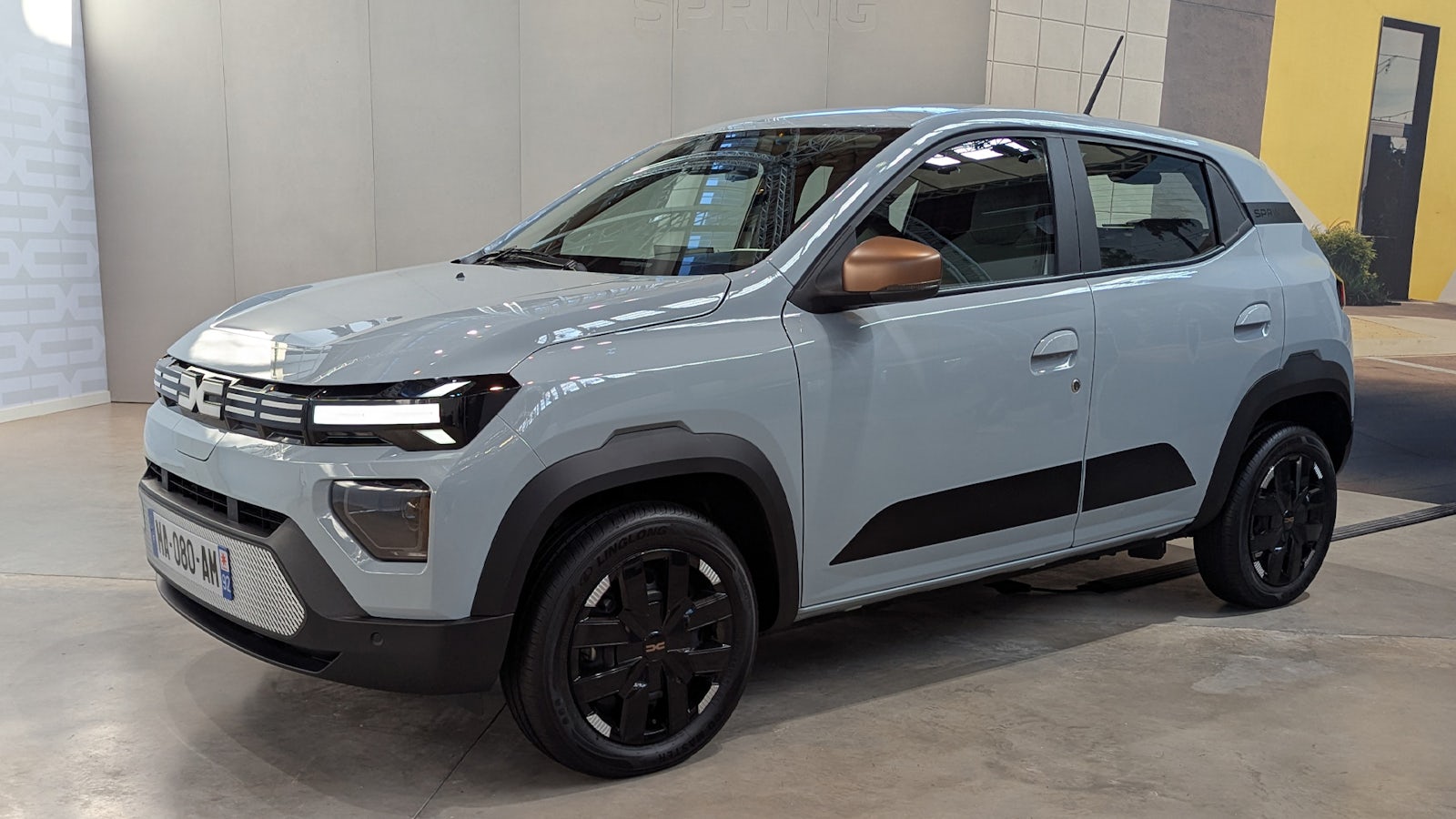
This platform represents the absolute threshold of cost-minimized electromobility. Utilizing a lightweight chassis, it achieves a consumption rate of $\approx 14 \text{ kWh/100 km}$. With a range of 305 km (WLTP) and a 300-liter cargo capacity, it fulfills the primary requirements for non-ego-driven utility cycles.
2. Comfort-Oriented City Crossover
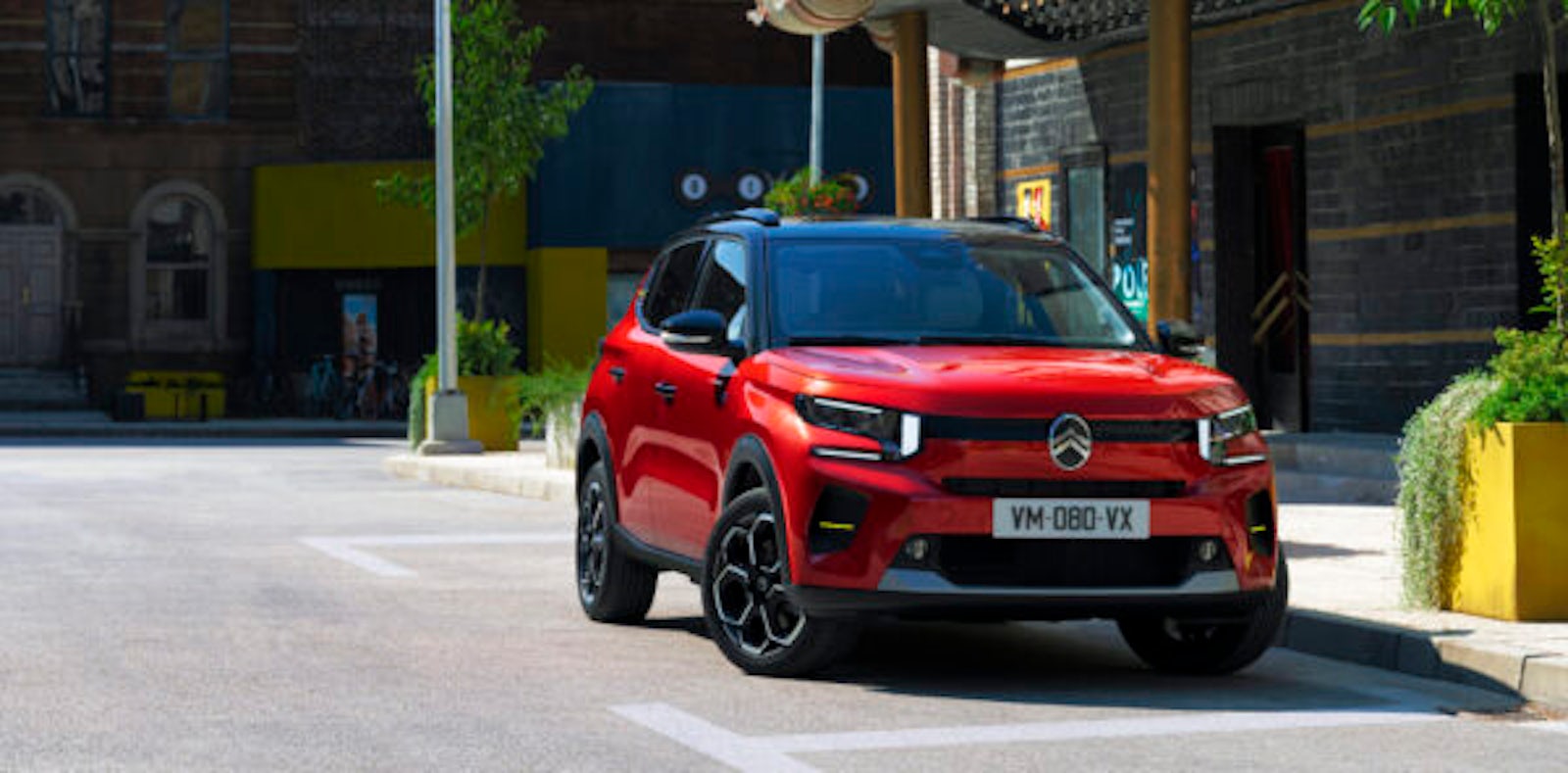
This model introduces advanced suspension damping to the budget segment. While the base configuration is highly competitive, the integration of 11 kW tri-phase on-board chargers (OBC) typically requires a 30% capital increase. Mean energy consumption is rated at $17.4 \text{ kWh/100 km}$, indicating a trade-off between ride quality and aerodynamic drag.
3. Urban Hatchback with Advanced Powertrain

Leveraging high-scale production, this hatchback offers modern infotainment and space utilization. Its market position is fortified by the current fiscal premium, potentially reducing the effective consumer price by up to 26%.
4. Modular Urban SUV with High-Voltage Infrastructure
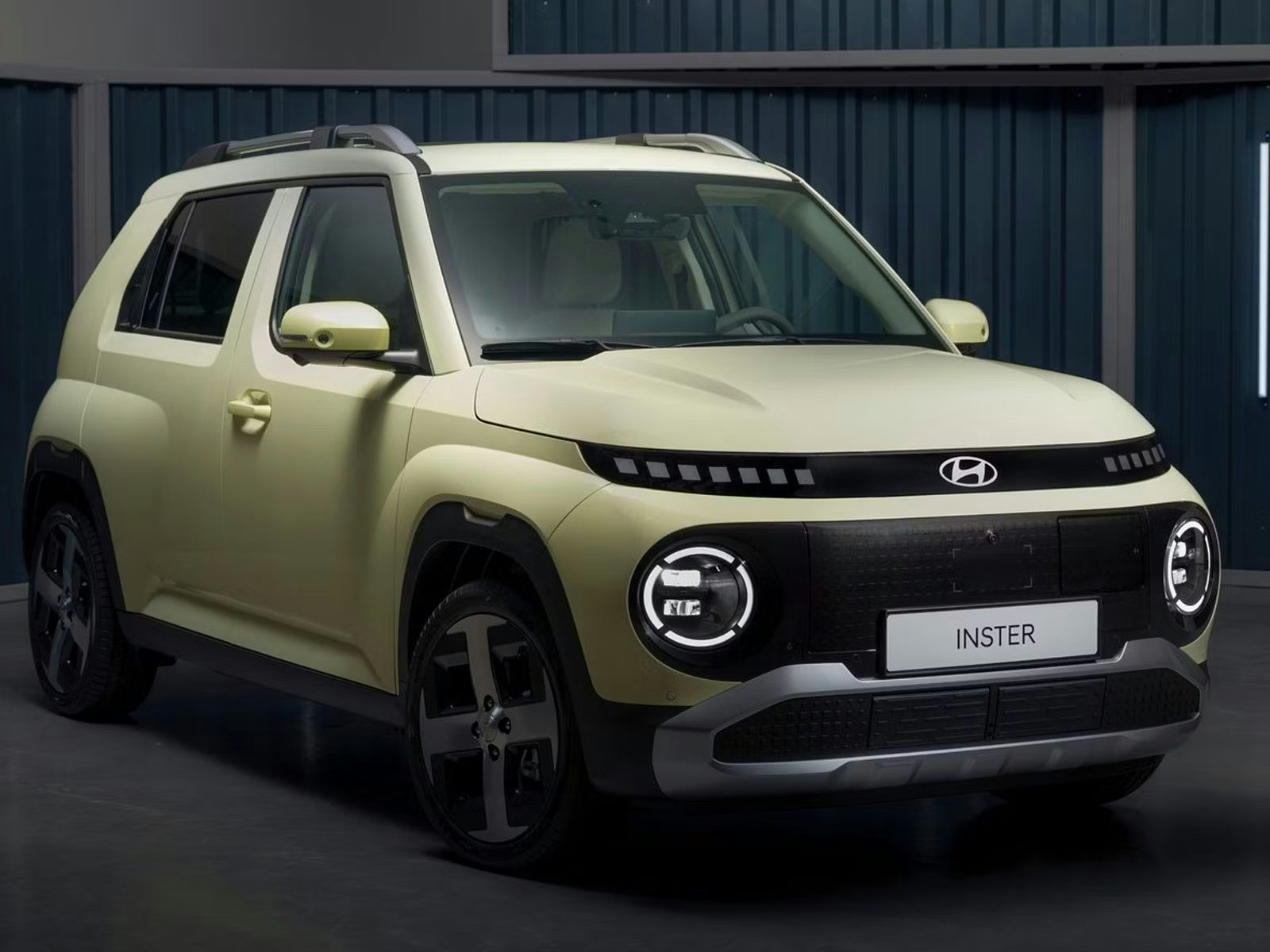
This platform offers architectural versatility, including a sliding rear bench and 1,059 liters of maximum cargo volume. Technically, it supports 85 kW DC fast charging, allowing a 10–80% State of Charge (SoC) transition in approximately 30 minutes. It represents the bridge between city runabouts and secondary family vehicles.
5. Iconic Design with High Efficiency
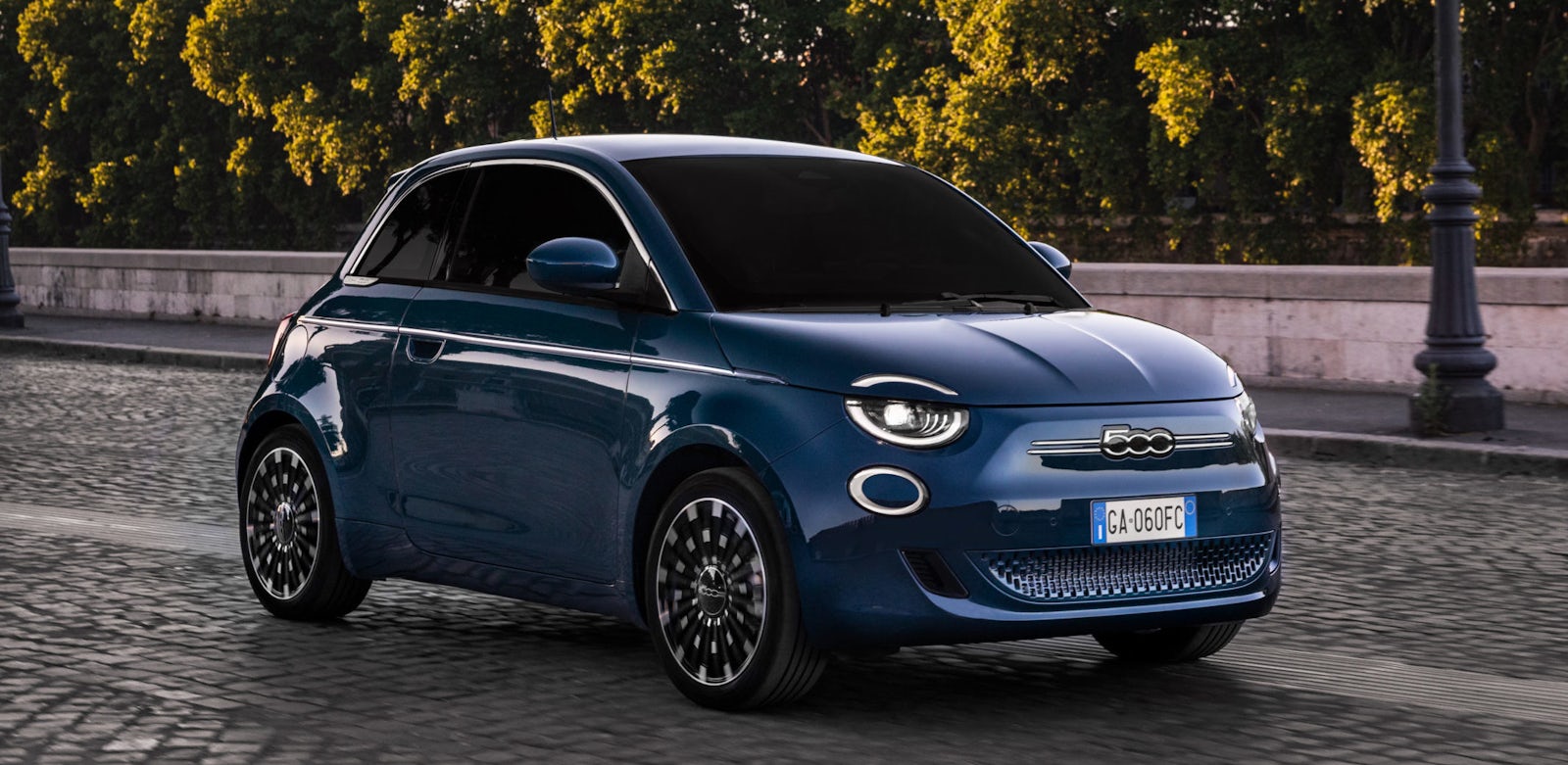
Despite its higher entry price point, this model remains an efficiency benchmark in the small car segment, maintaining a rate of $13\text{--}15 \text{ kWh/100 km}$. The value proposition lies in the emotional brand equity and the optimized urban footprint.
6. Down-to-Earth Utility Architecture

Designed for pragmatic daily usage, this vehicle emphasizes interior volume over material luxury. While its 19 kWh/100 km consumption is higher for its class, the overall package offers significant value for multi-stop urban duty cycles within a 300 km range limit.
7. Heritage-Inspired Performance Hatchback

This platform merges emotional styling with high-performance metrics. Featuring up to 150 hp and a refined 14.5 kWh/100 km consumption rate, it targets the upper echelon of the affordable segment by providing a superior driving dynamic compared to utility-focused peers.
8. Strategic Multi-Purpose Compact SUV

Utilizing a dedicated BEV architecture, this SUV provides a 400-liter luggage compartment and serves as a viable primary vehicle for small households. Its competitive pricing is a direct result of vertical supply chain integration.
9. Ruggedized Urban Compact SUV

This model targets consumers seeking a robust aesthetic in a compact urban package. With a 400 km range and a high utility cargo area, it successfully adapts traditional off-road design cues to the efficiency requirements of an electric drivetrain.
10. Lifestyle-Driven Premium City SUV
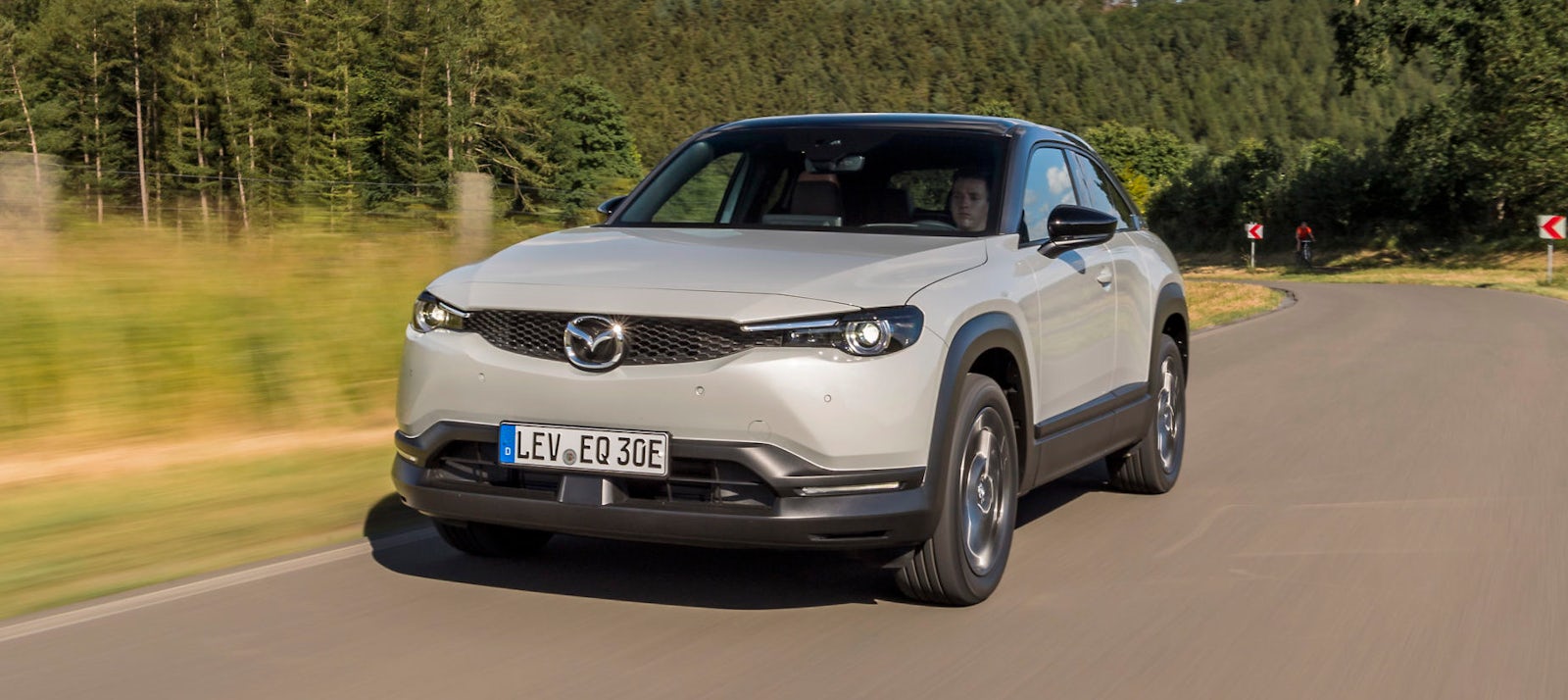
The value in this platform is concentrated in material quality and design innovation. While the absolute range and cargo metrics are below the segment average, the favorable insurance ratings and low maintenance overheads position it as a premium lifestyle choice for the urban environment.
Strategic Market Penetration by New Entrants
The European automotive sector is undergoing a structural realignment due to the influx of high-efficiency manufacturing from East Asia. This competitive pressure has forced a lifecycle acceleration for legacy manufacturers, leading to the imminent launch of several sub-€25k platforms, including modular hatches and small-segment SUVs aimed at complete ICE replacement.
Global Price Benchmarks: The Competitive Frontier
In mature manufacturing markets, extreme cost optimization has already achieved a threshold of $\approx \$9,000$ (approx. €8,200) for basic urban mobility. While localized safety regulations and logistics add a significant delta to European pricing, these benchmarks indicate the theoretical lower limit of BEV manufacturing costs as the global supply chain for lithium and high-voltage components matures.

Post a Comment